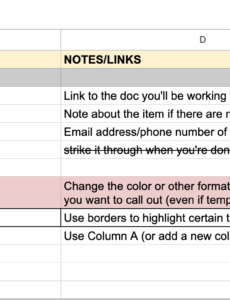
Life as a paralegal often feels like navigating a high-stakes obstacle course, with new demands appearing at every turn. From urgent court filings to intricate legal research and constant client communication, the sheer volume of tasks can be overwhelming, making it easy to lose track of priorities. Staying organized isn’t just a nicety; it’s a fundamental requirement for success in the fast-paced legal world.
Imagine a tool that could bring clarity to the chaos, ensuring no critical deadline is missed and every client interaction is managed efficiently. That’s precisely what a well-structured paralegal to do list template offers. It’s more than just a simple checklist; it’s your strategic partner in managing caseloads, juggling responsibilities, and maintaining your professional calm amidst the storm.
Crafting Your Perfect Paralegal To Do List
Creating an effective to do list for a paralegal isn’t about jotting down random tasks. It requires a thoughtful approach that acknowledges the unique pressures and responsibilities of the legal profession. A generic list simply won’t cut it when you’re dealing with sensitive client information, strict court deadlines, and the need for meticulous record-keeping. Your list needs to be a dynamic document that adapts to the evolving nature of your work, providing clarity and direction throughout your day.
The foundation of any good paralegal to do list template lies in its ability to categorize and prioritize tasks. Breaking down your responsibilities into manageable sections allows you to see the bigger picture while also focusing on immediate actions. This approach helps prevent that feeling of being perpetually overwhelmed, transforming a daunting list of duties into a series of achievable goals. Think about not just what needs to be done, but also *when* and *why* it’s important.
Prioritization is perhaps the most critical skill for a paralegal, and your to do list should reflect this. Not all tasks are created equal; some are urgent and require immediate attention, while others are important but allow for more flexible scheduling. Implementing a system that helps you distinguish between these two can dramatically improve your workflow and ensure critical items are addressed promptly. Whether it’s the Eisenhower Matrix or a simple A, B, C grading system, find what works for you to keep the most important tasks front and center.
While some paralegals prefer the tactile satisfaction of pen and paper, others thrive with digital tools that offer reminders and easy reorganization. The best format for your paralegal to do list template is ultimately the one you will consistently use and update. The goal is to reduce mental clutter and ensure that your energy is spent on completing tasks, not remembering them.
Essential Categories for Your List
- Case Specific Tasks: Drafting documents, preparing exhibits, reviewing discovery, filing motions, preparing for depositions.
- Client Communication: Scheduling meetings, responding to inquiries, sending updates, drafting correspondence.
- Administrative Duties: Managing calendars, organizing physical and digital files, ordering supplies, billing support.
- Legal Research: Investigating case law, statutes, regulations, and legal precedents for ongoing matters.
- Deadlines and Reminders: Key court dates, statute of limitations, internal project deadlines, follow-up dates.
Maximizing Efficiency with Your To Do List
Once you have a robust paralegal to do list template in place, the next step is to integrate it seamlessly into your daily workflow. This isn’t just about having a list; it’s about actively using it as a central command center for your professional life. Start each day by reviewing your priorities and allocating time for your most critical tasks. This proactive approach sets the tone for a productive day, helping you avoid reactive scrambling and ensuring you’re always working on what truly matters.
It’s crucial to be realistic about what you can achieve in a single day. Overloading your paralegal to do list can lead to discouragement and a feeling of perpetual failure, even if you’re accomplishing a great deal. Learn to estimate task durations accurately and be willing to adjust your list as unforeseen matters arise. Building in some buffer time for unexpected emergencies or complex issues is a smart strategy that prevents burnout and maintains your sense of control.
Effective list management also involves breaking down larger projects into smaller, more manageable steps. A task like “Prepare for trial” can feel overwhelming, but breaking it into “Review witness statements,” “Organize exhibits,” and “Draft opening statement” makes it less intimidating and easier to start. Delegating tasks where appropriate, or collaborating with team members, can also lighten your load and ensure projects move forward efficiently.
Regularly reviewing and refining your paralegal to do list template is an ongoing process. As your caseload changes, as new legal technologies emerge, or as you discover more efficient ways of working, your template should evolve with you. Think of it as a living document, one that you continuously adapt to perfectly support your professional growth and the dynamic demands of the legal field.
- Break down large projects into smaller, manageable steps.
- Assign realistic time estimates to each task.
- Review your list at the start and end of each day.
- Be flexible – unexpected urgent matters will arise.
- Don’t be afraid to cross off or move tasks.
Implementing a structured approach to your daily tasks can profoundly transform your effectiveness and reduce stress. By utilizing a personalized and thoughtfully designed paralegal to do list template, you’re not just organizing tasks; you’re cultivating a more disciplined, focused, and ultimately more successful professional life. It empowers you to navigate complex legal environments with greater confidence and precision.
Embrace the power of organization, and watch as your productivity soars, deadlines are met with ease, and your contribution to your legal team becomes even more invaluable. A well-managed to do list is your secret weapon for maintaining clarity, control, and calm in the demanding world of legal practice, allowing you to consistently deliver your best work.