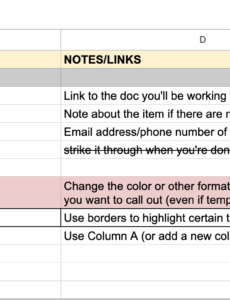
Moving to a new home is often ranked among life’s most stressful events, right up there with starting a new job or planning a wedding. It’s a massive undertaking that involves countless decisions, deadlines, and a mountain of tasks that can quickly become overwhelming. From packing up years of memories to navigating utility transfers and changing addresses, the sheer volume of things to remember can make anyone’s head spin.
But what if there was a way to navigate this complex journey with a calm mind and a clear plan? That’s where a well-structured moving to do list template comes in. It’s not just about ticking boxes; it’s about breaking down an monumental task into manageable steps, ensuring nothing falls through the cracks, and ultimately, transforming a potentially chaotic experience into an organized, even exciting, transition.
Setting the Stage: Your Pre-Move Blueprint
Before a single box is taped shut or a furniture dolly is rented, a successful move begins with meticulous planning. Think of this phase as building the foundation for your new life; the stronger the base, the smoother the entire process will be. It’s all about getting ahead of the curve, tackling those larger logistical challenges that require a bit more lead time, and setting yourself up for success long before moving day itself arrives. This early preparation is key to reducing last-minute panic and ensuring you have ample time to make informed decisions about your belongings and your budget.
One of the first crucial steps in this preparatory stage is a thorough decluttering of your current home. This isn’t just about making packing easier; it’s about deciding what truly deserves a place in your new chapter. Go through every room, every drawer, and every closet with a critical eye. Donate items you no longer need, sell valuable pieces, and responsibly dispose of anything that’s beyond repair. Doing this early means fewer items to pack, fewer items to move, and less clutter to unpack in your new space. It’s a liberating exercise that often reveals how much stuff we accumulate over time and offers a fresh start.
Simultaneously, you’ll want to research and secure your moving services. Will you hire professional movers, rent a truck and do it yourself, or enlist the help of friends and family? Each option has its own pros and cons, especially concerning cost and labor. If you’re leaning towards professional movers, start gathering quotes from several reputable companies at least two months in advance. Compare their services, insurance options, and pricing structures carefully. Confirm their availability for your desired moving date and get everything in writing to avoid any misunderstandings down the line.
Finally, begin the administrative legwork that often gets overlooked until the last minute. This includes notifying your landlord if you’re renting, and starting the process of updating your address with various institutions. Think about banks, credit card companies, subscription services, and government agencies. It’s also wise to gather all important documents like birth certificates, passports, financial records, and medical files into one secure, easily accessible box or bag. This moving to do list template will help ensure all these vital steps are accounted for.
Eight Weeks Out and Beyond
- Set a detailed moving budget.
- Begin decluttering and donating unwanted items.
- Research and book professional movers or rental trucks.
- Collect essential documents in a safe place.
- Start notifying financial institutions and subscriptions of your address change.
- Arrange for school transfers or daycare if applicable.
The Home Stretch: Preparing for Moving Day and Beyond
As moving day draws nearer, the focus shifts from long-term planning to the more immediate, hands-on tasks that bring your move to fruition. This phase is all about executing your plan with precision and ensuring every detail, no matter how small, is addressed. The weeks leading up to the big day can feel like a whirlwind, but with a structured approach, you can maintain control and keep stress levels to a minimum. It’s during this time that your packing efforts intensify, and you start making final arrangements for services and utilities.
One of the most important items on your checklist for this period is to confirm all arrangements with your chosen moving company or rental truck service. Reconfirm the date, time, address, and any specific instructions you may have. Make sure you understand their insurance policies and what to expect on moving day itself. If you’re tackling the move yourself, ensure your truck rental is secured and you have all necessary packing supplies, such as boxes, tape, bubble wrap, and markers. Having these logistical details locked down provides a huge sense of relief and prevents last-minute scrambling.
Packing an “essentials” box or bag should also be a high priority. This special container will hold everything you need immediately upon arrival at your new home, ensuring you’re not rummaging through dozens of boxes for a toothbrush or a phone charger. Include toiletries, a change of clothes, basic cleaning supplies, snacks, important medications, pet supplies, and perhaps a few favorite toys for children. This box acts as your survival kit for the first 24-48 hours and can significantly ease the transition into your new space before all other boxes are unpacked.
Furthermore, it’s time to coordinate the transfer or cancellation of utilities and services at both your old and new residences. This includes electricity, gas, water, internet, and cable television. Schedule disconnections for your old home on the day after your move and connections for your new home on or before your arrival. Don’t forget to arrange for mail forwarding through your postal service. These seemingly minor details are critical for a seamless transition, ensuring you have power, heat, and connectivity from day one in your new abode.
Finally, prepare for moving day itself by ensuring pathways are clear, floors are protected, and any necessary permits (like parking for a moving truck) are secured. If you have pets or young children, make arrangements for their care on moving day to keep them safe and out of the way. Label all your boxes clearly with their contents and the room they belong in at the new house. This simple step will save you immense time and effort during the unpacking process, guiding movers or helpers to place boxes exactly where they need to go, making your new house feel like home much faster.
Moving doesn’t have to be a source of unending anxiety. By breaking down the process into manageable steps and adhering to a comprehensive moving to do list template, you can transform a daunting task into an organized journey. From the initial decluttering to the final box being placed in its new room, thoughtful planning empowers you to navigate each stage with confidence and ease.
Embracing this methodical approach allows you to focus less on the stress of the move and more on the excitement of starting fresh in your new home. Imagine stepping into your new space, knowing everything is in its place, utilities are connected, and the initial chaos is replaced by comfort. This preparation ensures you can quickly settle in and begin creating new memories, rather than being bogged down by lingering logistical headaches.