We’ve all been there: a mountain of tasks looming, deadlines approaching, and that nagging feeling of not knowing where to start. It’s easy to feel overwhelmed when your mental to-do list starts spilling over, leaving you paralyzed by the sheer volume of things needing your attention. Many of us reach for a pen and paper or open a digital app, hoping to wrangle the chaos into some semblance of order.
However, simply jotting down tasks isn’t always enough to truly gain control. A basic list can quickly become another source of stress if it’s just a never-ending scroll of responsibilities without any structure. The key isn’t just having a to-do list, but having an effective to do list template that genuinely helps you prioritize, focus, and ultimately accomplish your goals with less stress.
Why Your Current To-Do List Might Not Be Working
If you’ve ever stared at a lengthy list of tasks and felt even more overwhelmed than before you wrote it, you’re not alone. Many traditional to-do lists fall short because they often lack context, prioritization, or a clear path forward. They become a dumping ground for every single thought, obligation, and aspiration, without distinguishing between the urgent and the trivial, the quick win and the long-term project. This can lead to decision fatigue, where you spend more time deciding what to do next than actually doing it.
One common pitfall is the endless scroll. When a list is too long and lacks any visual cues for importance, every item screams for attention, making it difficult to discern what truly matters. This often results in tackling the easiest tasks first, giving a false sense of productivity while critical, more challenging items are pushed further down the line, increasing stress as deadlines loom. Without a structured approach, your to-do list can become a monument to your uncompleted tasks rather than a roadmap to success.
Another issue arises from vague entries. “Work on project” or “Organize stuff” might seem helpful at the moment of creation, but they offer no actionable steps. When you revisit these items later, you’re left guessing what the next action should be, creating a mental barrier to getting started. An effective list breaks down larger goals into manageable, clear, and actionable steps, making it much easier to dive in and make progress.
Key Elements of an Effective To Do List Template
To transform your chaotic collection of tasks into a powerful productivity tool, consider incorporating these essential elements:
- Clear, Actionable Tasks: Each item should be a verb-noun combination that describes a specific, singular action (e.g., “Email John about report,” not “John Report”).
- Prioritization Method: Assign a priority level (e.g., A/B/C, 1/2/3, or Urgent/Important matrix) to help you focus on what truly matters most.
- Deadlines or Due Dates: Give yourself a target completion time to create accountability and manage expectations.
- Estimated Time Commitment: Roughly guess how long each task will take. This helps with scheduling and prevents over-commitment.
- Context or Category: Group similar tasks (e.g., “Work,” “Personal,” “Home,” “Errands”) to help you batch similar activities.
- Status/Progress Tracking: A simple checkbox for “done” is a start, but adding columns for “in progress” or “waiting on” can provide a clearer picture.
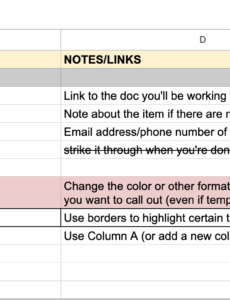
- Notes/Details Section: A small space for any additional information, links, or thoughts related to the task.
By integrating these components, your to-do list evolves from a mere collection of reminders into a dynamic planning tool. It helps you not only remember what needs to be done but also intelligently decide when and how to do it, making your workflow smoother and your efforts more impactful.
Crafting Your Personalized Effective To Do List Template
The beauty of an effective to do list template lies in its adaptability. There’s no single, universally perfect template because everyone’s workflow, brain, and responsibilities are unique. The goal is to find or create a system that resonates with you and genuinely supports your productivity without adding another layer of complexity to your life. This might involve experimenting with different tools, from simple notebooks to sophisticated project management software, until you discover what truly clicks for your personal style.
Begin by understanding your own habits and preferences. Do you prefer the tactile experience of writing things down, or are you more inclined towards digital tools that offer reminders and cross-device syncing? Some people thrive with highly detailed templates that include every possible field, while others find a minimalist approach more effective, fearing too much detail becomes a distraction. Your personalized template should feel like a helpful assistant, not a demanding boss.
Once you have a general idea of your preferred format, start simple. Don’t try to implement every single advanced feature from day one. Begin with the core elements: actionable tasks and a basic prioritization method. As you use your template over a few days or weeks, pay attention to what works well and what feels clunky. Are you consistently skipping a certain column? Is there information you wish you had included? This iterative process of using, evaluating, and refining is crucial for developing a template that genuinely serves your needs.
Remember, the purpose of this template is to reduce mental load and increase your capacity for focused work. It’s a living document that should evolve with your projects and priorities. Don’t be afraid to tweak layouts, add new sections, or even completely overhaul it if something isn’t working. The most effective templates are those that you actually use consistently because they make your life easier and your goals more attainable.
Implementing a well-designed to-do list can fundamentally change how you approach your daily responsibilities. It moves you from a reactive state of constantly putting out fires to a proactive state of intentional progress. By externalizing your mental clutter and structuring your tasks, you free up valuable mental bandwidth, allowing you to focus on the work itself rather than constantly remembering what needs to be done.
Embrace the journey of refining your personal task management system. With a little intentional effort in setting up and regularly reviewing your effective to do list template, you’ll unlock a greater sense of control, reduce stress, and consistently make progress on what matters most to you. The clarity and peace of mind that come with a well-managed task list are invaluable assets in our busy lives.