Picture this: your construction project is nearing completion, the finish line is in sight, and everyone is eager to move on. But before you can pop the champagne and call it a wrap, there’s one crucial step that ensures everything is perfect and meets the highest standards: the punch list. This isn’t just a formality; it’s the final quality assurance check, the last chance to iron out any kinks and ensure client satisfaction before final handover.
Navigating this final stage efficiently is key to a smooth project closeout, and that’s precisely where a well-structured construction project punch list template becomes an indispensable tool. It transforms what could be a chaotic scramble into an organized, systematic process, helping you track every last detail from minor paint touch-ups to significant system adjustments. Let’s explore why having such a template isn’t just helpful, but absolutely essential for any successful construction endeavor.
What Exactly is a Construction Project Punch List and Why Do You Need One
At its core, a punch list is a document generated during the final stages of a construction project. It details all the items that are either incomplete, incorrectly installed, or require repair or adjustment before the project can be officially considered finished and accepted by the client. Think of it as a quality assurance checklist, compiled typically during a joint walkthrough involving the general contractor, subcontractors, the project owner, and sometimes even the architect.
Why is this seemingly small step so profoundly important? Firstly, it serves as a non-negotiable agreement on the final scope of work, ensuring that all parties are on the same page regarding what needs to be fixed or completed. This clarity prevents misunderstandings, avoids potential disputes over outstanding issues, and ultimately protects the contractor’s reputation while safeguarding the client’s investment. Without a robust punch list, minor oversights can snowball into major headaches, delaying final payments and souring relationships.
Key Benefits of Using a Punch List
- Ensures Quality and Safety: It guarantees that the finished product meets the agreed-upon standards and any safety regulations.
- Enhances Communication: Provides a clear, documented list of tasks for responsible parties, improving accountability.
- Streamlines Closeout: Organizes the final stages of a project, making handover smoother and more efficient.
- Protects Reputation and Finances: Helps avoid costly reworks post-handover and secures timely final payments.
The items on a punch list can vary widely, from extremely minor cosmetic fixes to more substantial corrections. You might find things like a scuff mark on a freshly painted wall, a door that doesn’t quite latch properly, a light fixture that isn’t working, or even a landscaping detail that needs adjusting. The key is that every item, regardless of its perceived importance, contributes to the overall quality and client satisfaction. It’s about perfection in the details.
Building Your Perfect Construction Project Punch List Template
Creating your own construction project punch list template doesn’t have to be a daunting task. The beauty of a template lies in its ability to bring structure and consistency to a process that can often feel chaotic. Instead of starting from scratch with every new project, a good template provides a standardized framework that ensures no critical information is missed and that communication remains clear across all teams involved.
A well-designed template is more than just a simple list; it’s a powerful project management tool. It should be comprehensive enough to capture all necessary details, yet flexible enough to adapt to the unique nuances of different projects. The goal is to make the punch list process as efficient and straightforward as possible, from initial identification of issues to their final resolution and sign-off.
So, what essential elements should your construction project punch list template include to make it truly effective? Here’s a breakdown of the key components that will transform your punch list process:
- Project Information: Clearly state the project name, location, unique ID, and the date the punch list was created.
- Item Description: A precise and detailed explanation of the issue or incomplete task. Be specific.
- Location: Pinpoint exactly where the item is located within the project (e.g., “Bedroom 2, North Wall”).
- Responsible Party: Assign the item to the specific subcontractor or team member responsible for its completion.
- Status: Use clear indicators like “Open,” “In Progress,” “Ready for Review,” or “Closed.”
- Priority Level: Designate whether the item is high, medium, or low priority to guide workflow.
- Date Issued and Date Due: Track when the item was identified and when it’s expected to be completed.
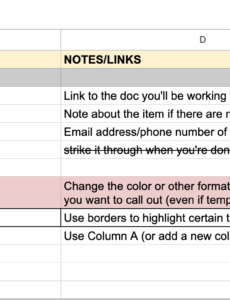
- Notes/Comments: Space for additional details, instructions, or observations.
- Photos/Attachments: The ability to include visual evidence of the issue is invaluable for clarity.
Beyond these core elements, consider making your template digital. While a printable template is a good starting point, integrating it with project management software or a dedicated punch list app can revolutionize your workflow. Digital templates allow for real-time updates, photo uploads directly from the site, instant notifications to responsible parties, and centralized tracking of progress, significantly speeding up the closeout process and improving accountability.
Embracing a systematic approach to the punch list isn’t just about ticking boxes; it’s about delivering excellence. By leveraging a comprehensive construction project punch list template, you’re not only ensuring every last detail is perfect, but you’re also building a reputation for precision and professionalism. This meticulous attention to detail at the project’s culmination fosters trust with clients and paves the way for future successful ventures, making the final handover a moment of pride rather than panic.
Ultimately, the proactive use of a well-defined template transforms the punch list from a potential bottleneck into a powerful instrument for quality control and client satisfaction. It streamlines communication, assigns clear responsibilities, and provides an undeniable record of progress, ensuring that every construction project finishes strong, on time, and to everyone’s absolute delight.