Ever wondered how professional videos manage to look so polished and engaging, even when they’re not showing the main speaker? That’s often thanks to B-roll footage. These are the supplementary clips that cut away from the primary subject, adding visual interest, context, and a seamless flow to your narrative. Think of it as the seasoning that makes your main dish truly unforgettable.
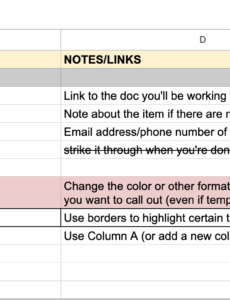
However, gathering great B-roll isn’t just about randomly pointing your camera. To ensure you capture all the necessary visuals that will elevate your story and avoid missing crucial shots, a structured approach is invaluable. That’s where having a well-thought-out b roll shot list template comes into play, guiding your shooting process and making your post-production a breeze.
Why You Absolutely Need a B Roll Shot List
Imagine arriving on set, ready to shoot, only to realize halfway through that you’ve forgotten to capture crucial establishing shots or close-ups that would tie your story together. This kind of oversight can lead to frustrating reshoots, wasted time, and a less impactful final product. A B-roll shot list acts as your visual roadmap, ensuring you’re prepared for every filming scenario and capture every angle needed to tell your story effectively.
Having a dedicated plan for your B-roll ensures that your video has a rich tapestry of visuals, preventing your audience from getting bored by a single talking head for too long. It helps maintain visual rhythm, supports your narrative, and provides valuable cutaways for editing. This planning step is critical for consistency, making sure all your supplementary footage aligns with the overall tone and message of your project.
Furthermore, a comprehensive shot list helps you manage your time efficiently during production. Instead of improvising on the spot, you have a clear objective for each shot, allowing you to move through your shoot list systematically. This organized approach minimizes guesswork and maximizes productivity, especially when you’re working with a tight schedule or limited resources. It’s about being proactive rather than reactive.
Finally, a well-prepared b roll shot list template simplifies the editing process immensely. When you have a clear inventory of all the footage you need, your editor can quickly find the right clips to transition between scenes, add visual metaphors, or cover up any imperfections in your main footage. It transforms a potentially chaotic editing session into a smooth, creative flow, ultimately leading to a more professional and engaging final video.
Key Elements of an Effective B Roll Shot List
- **Shot Description:** A concise explanation of what the shot entails (e.g., “Hands typing on keyboard,” “Coffee cup steaming”).
- **Location/Setting:** Where the shot will be captured (e.g., “Office desk,” “Outdoor park,” “Kitchen counter”).
- **Angle/Framing:** Specific details about how the shot should be framed (e.g., “Close-up,” “Wide shot,” “Over-the-shoulder,” “Low angle”).
- **Movement:** Any camera movement required (e.g., “Pan left,” “Slow push-in,” “Handheld”).
- **Time of Day/Lighting:** Notes on ideal lighting conditions or time (e.g., “Golden hour,” “Natural light,” “Soft diffused light”).
- **Purpose/Emotional Context:** Why this shot is needed and what feeling it should convey (e.g., “Establishes setting,” “Shows focus,” “Conveys serenity”).
- **Status:** A checkbox or column to mark if the shot has been captured (e.g., “Done,” “To Do,” “Reshoot”).
Building Your Own B Roll Shot List Template
Creating your own b roll shot list template begins long before you even pick up a camera. Start by thoroughly understanding the main story or message of your video. What are the key points you need to convey? What emotions do you want to evoke? Once you have a clear grasp of your primary narrative, you can begin to brainstorm visual elements that will support and enhance it. Think about the metaphors, details, and establishing shots that will add depth.
Next, consider the different types of B-roll shots that could be relevant. This isn’t just about pretty pictures; it’s about purpose. Do you need establishing shots to set the scene? Close-ups to highlight important details or emotions? Action shots to show process? Reaction shots to add human element? Think about transitions between scenes – what B-roll could bridge two different topics or locations smoothly? Listing these categories can help you generate a diverse range of ideas.
Once you have a collection of ideas, start organizing them. Group shots by location, by the subject, or by the sequence in which they might appear in your final edit. This categorization makes the actual shooting process much more efficient, as you can capture all the shots for one area or theme before moving on to the next. Don’t be afraid to be specific with your descriptions, as this will prevent confusion during the shoot and ensure you get exactly what you need.
Remember that while a template provides structure, it should also offer flexibility. During a shoot, unexpected opportunities or challenges might arise. Be prepared to adapt your list, add impromptu shots that feel right, or even skip shots that are no longer feasible or necessary. The goal is to capture compelling footage, and sometimes that means deviating slightly from the plan. Treat your template as a living document that guides you, rather than a rigid rulebook.
Ultimately, a structured approach to capturing B-roll transforms your video production process. It moves you from guesswork to strategic storytelling, ensuring every piece of footage contributes meaningfully to your overall message. The effort you put into planning beforehand will pay dividends in the quality and professionalism of your final video, leaving your audience engaged and impressed with your compelling visual narrative.